 Axolotl Den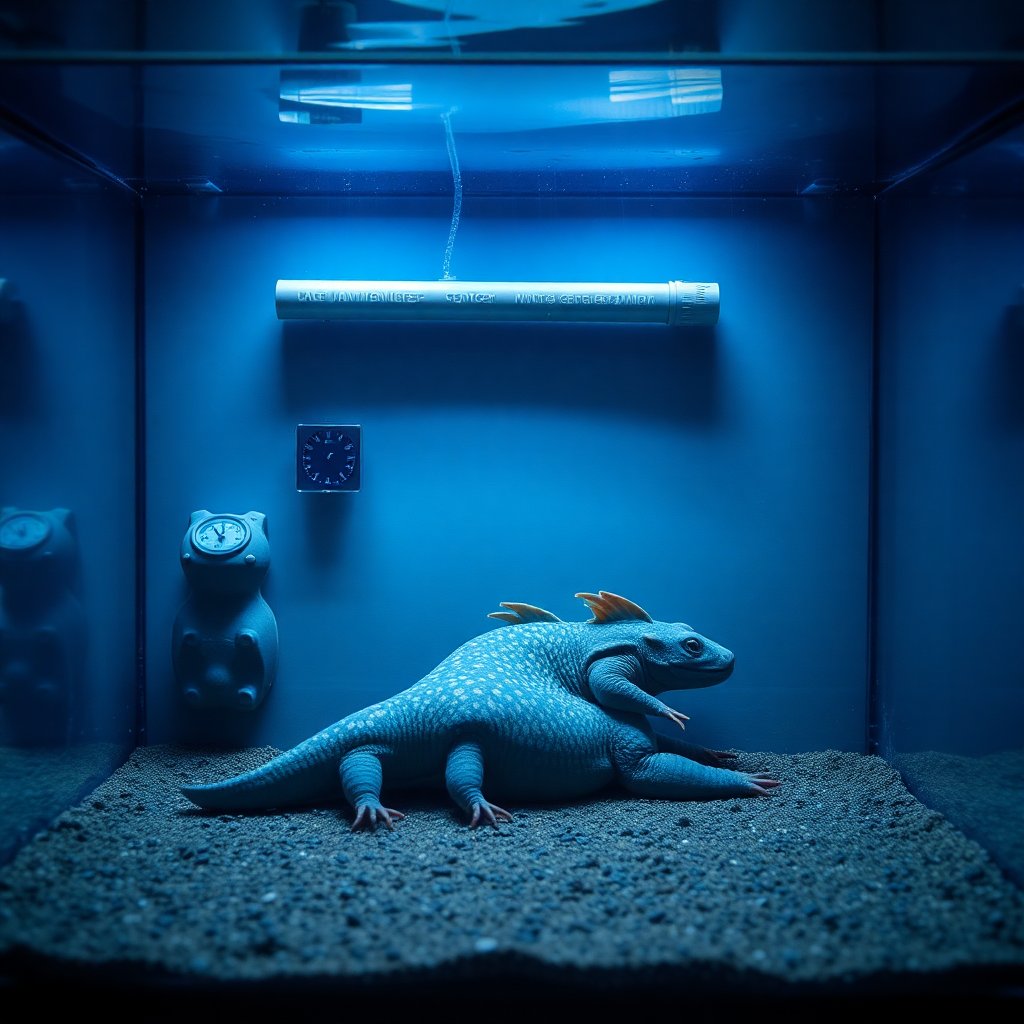
The cardinal rule of quarantine: set it up before you need it. When your axolotl is sick or stressed, the last thing you want to be doing is scrambling to find a container and figure out water chemistry in a panic. A prepared quarantine setup can be assembled in under 10 minutes; trying to figure it out at midnight with a sick axolotl takes much longer.
A quarantine setup is simple, cheap, and one of the most important preparations you can make as an axolotl owner.
Why Quarantine Matters
Quarantine serves two essential purposes:
1. For new animals — the 30-day rule Any new axolotl you bring home should spend 30 days in quarantine before being introduced to a tank with existing animals. This is non-negotiable. Ranavirus and other pathogens (bacterial infections, parasites, fungal issues) can be present in animals that look completely healthy. The 30-day quarantine period catches problems that wouldn't be visible during a brief observation at a breeder's facility.
Ranavirus in particular has moved through the hobby and killed many established, healthy animals that were exposed to new introductions that appeared fine. The 30 days are worth it — every time.
2. For sick animals When your axolotl shows illness signs — fungal growth, wounds, floating, unusual behavior — removing them to a quarantine setup lets you:
- Treat them without contaminating your main tank with medications or salt
- Monitor them closely without other animals interfering
- Control conditions tightly (temperature, oxygen, medication concentration)
- Prevent spread if the condition is contagious
What You Need
A container (10–15 gallon) A clear plastic storage bin, a spare aquarium, or a large food-grade bucket all work. Opaque sides are better for sick animals — visual stimulation from outside the tank adds stress when an axolotl is already compromised. If using clear walls, cover three sides with a dark cloth or paper.
Add a ventilated lid or cover — axolotls can and do climb out of containers, especially when stressed. Small ventilation holes or a mesh top prevents escape while maintaining airflow.
→ Shop plastic storage bins for quarantine tanks on Amazon
Air stone and air pump Oxygenation is critical. No filter is needed in short-term quarantine (you'll manage water quality through frequent water changes instead), but the air stone keeps dissolved oxygen levels adequate and water movement prevents stagnation.
→ Shop air stones and pumps for small tanks on Amazon
A thermometer Temperature is the variable you need to watch most closely. Sick axolotls are more vulnerable to temperature stress. Keep the quarantine tank in the same 60–68°F range as your main tank, or 1–2 degrees cooler to reduce bacterial activity during treatment.
→ Shop aquarium digital thermometers on Amazon
Seachem Prime Essential. Use it to treat every water change and to temporarily detoxify ammonia between changes. In a filterless quarantine setup, ammonia builds up quickly — Prime buys you time and keeps conditions safer.
→ Shop Seachem Prime on Amazon
Non-iodized salt For salt bath treatments (the first-line treatment for fungal infections). Aquarium salt, canning salt, or kosher salt all work. Never use iodized table salt — iodine is toxic to axolotls.
API Master Test Kit The same liquid test kit you use for your main tank. In quarantine, you'll test more frequently — every 1–2 days — because without a cycled filter, parameters change fast.
Water Management in Quarantine
Without a cycled filter, ammonia builds up faster than in an established tank, especially in a smaller water volume. The quarantine water management protocol:
- 25–30% water changes daily (or every other day for less ill animals) with dechlorinated water at the same temperature
- Add Seachem Prime with every water change
- Test ammonia every 1–2 days — keep it below 0.25 ppm between changes
- Remove uneaten food immediately after feeding (if feeding at all)
- Match temperature exactly — temperature shock on top of illness makes recovery harder
In practice: 10–15 minutes of daily water change work keeps the quarantine tank viable. It sounds demanding but becomes routine quickly.
When to Use Quarantine
Always quarantine when:
- Bringing home any new axolotl (30-day minimum before introduction to main tank)
- Fungal growth visible on gills, body, or wounds
- Your axolotl has visible wounds, missing limbs, or is being actively nipped by a tankmate
- Administering salt bath treatments
- Your axolotl is floating abnormally, severely lethargic, or showing acute distress signs
- You need to fully clean, rescape, or medicate your main tank
- An axolotl is noticeably thinner than its tankmates and being out-competed for food
Salt Bath Protocol for Fungal Infections
Salt baths are the first-line treatment for fungal infections (the white fluffy growths that can appear on axolotl gills and skin). This is one of the most common uses for a quarantine container.
Supplies needed: Non-iodized salt, quarantine container, dechlorinated water at tank temperature.
Protocol:
- Prepare a separate small container (not the main quarantine tank) with dechlorinated water at the same temperature as your quarantine tank
- Add 1–2 teaspoons of non-iodized salt per liter of water (not per gallon)
- Place your axolotl gently in the salt bath
- Watch closely for 10–15 minutes — this is the treatment duration
- If your axolotl shows extreme stress signs (thrashing, frantic movement, trying to escape), end the bath immediately and return to unsalted quarantine water
- After the bath, return your axolotl to the quarantine tank (not back to the salt solution)
- Repeat once daily for 3–5 days
Important: Salt baths are temporary — don't keep your axolotl in salted water continuously. The brief exposure is therapeutic; prolonged salt exposure is harmful.
30-Day New Arrival Protocol
Every new axolotl, regardless of where you got them or how healthy they look:
Days 1–7:
- Observe carefully — eating, activity, gill appearance, waste output
- Offer food; don't worry if they don't eat immediately (new environment stress is normal)
- Test water parameters every 2–3 days, do partial water changes to maintain quality
- Look for: gill filament changes, white spots, unusual swimming posture, skin lesions
Days 8–21:
- Feed normally and monitor appetite trends
- Watch for fungal growth, lethargy, or abnormal behavior
- Continue daily/every-other-day water changes with Prime
- Note any physical changes — darkening, light spots, unusual texture
Days 22–30:
- If all looks healthy with normal appetite and appearance, begin preparing for introduction
- Do not rush the final week — some conditions take time to manifest
Introduction to main tank:
- Only after 30 clean days with no health concerns
- Consider a brief fresh water dip before introduction to avoid transferring any surface bacteria
- Monitor the first 48 hours in the main tank closely for aggression from existing animals
Complete Quarantine Supply List
Everything to keep stocked so you're never scrambling:
| Item | Purpose | |---|---| | Non-iodized salt | Salt bath treatments | | Seachem Prime | Water conditioning and ammonia detox | | Seachem StressGuard | Slime coat protection during transport/stress | | API Master Test Kit | Daily water parameter testing | | Clean 10–15 gal container with lid | Housing | | Air stone + pump | Oxygenation | | Digital thermometer | Temperature monitoring | | Feeding tongs | Target feeding, food removal | | Turkey baster | Spot cleaning waste and uneaten food |
→ Shop Seachem StressGuard on Amazon
Comparison: Quarantine Container Types
| Container Type | Cost | Pros | Cons | |---|---|---|---| | Plastic storage bin | $8–15 | Cheap, opaque, many sizes | Less elegant | | Spare 10-gal aquarium | $15–30 | Clear for observation | May need cover | | Large food-grade bucket | $5–10 | Widely available | Limited visibility | | Commercial quarantine tank | $40–80 | Purpose-built, lid included | Higher cost |
For a temporary, as-needed quarantine setup, a large clear plastic storage bin with a ventilated lid is the practical choice. The low cost means you can keep one assembled and ready to go at all times without it being a significant investment.
FAQ
How often should I do water changes in quarantine? For sick animals: daily 25–30% changes. For healthy animals in 30-day arrival quarantine: every other day is usually sufficient if your container is large enough (10+ gallons) and you're not overfeeding. Always test before deciding — if ammonia is above 0.25 ppm, do a change regardless.
Can I use the quarantine tank as a permanent hospital setup? Yes — many owners keep a small quarantine container semi-permanently assembled (cleaned, filled with plain water, air stone running) so it's ready at any time. This is excellent practice.
Do I need to cycle the quarantine tank? No — quarantine tanks are managed with frequent water changes rather than biological filtration. Cycling takes 4–6 weeks and a quarantine tank needs to be ready on short notice. Prime + daily water changes is the management method.
What if I don't have a quarantine tank when I need one? Use any food-safe container large enough to hold your axolotl comfortably — a large mixing bowl, a clean storage bin, a spare aquarium. Fill with dechlorinated, temperature-matched water, add an air stone, and add Prime. This is an emergency setup but functional.
Should I add any hides to the quarantine tank? Yes — a simple terra cotta pot or PVC pipe provides the security a stressed or sick axolotl needs. Cover a third of the container with a dark cloth if the container is transparent. Reducing visual stimulation helps sick animals rest and recover.
→ Shop everything needed for axolotl quarantine on Amazon
As an Amazon Associate we earn from qualifying purchases. This article contains affiliate links; if you buy through them we may earn a small commission at no additional cost to you.